AI Technical Operator / Systems / Photography
System.
Image.
I take something that already exists and make it work better. I frame the problem, write the requirements, direct the AI agents that build it, and check the work before it ships.
What I'm building.
Written notes on real work: what the problem was, what I decided, what broke, and what I'd do differently. Low cadence, on purpose.
Branches: an Activity Monitor for my coding agents
I kept losing track of which terminal had which agent, so I built a small, free, open-source Mac app that watches them for me. Idea to first working build in one evening, shipped two days later.
Resume engine: why my resume builder refuses to build
I kept asking AI to tailor my resume and fixing its mistakes three or four rounds at a time, so I turned the whole thing into a deterministic Python build where every line has to cite a fact or it doesn't get made.
Said it first: pulling my own ideas out of four years of ChatGPT
I exported four years of ChatGPT to see what I actually think, and found that a third of my own messages weren't mine and the model kept quoting itself as me. This is what I built to catch it.
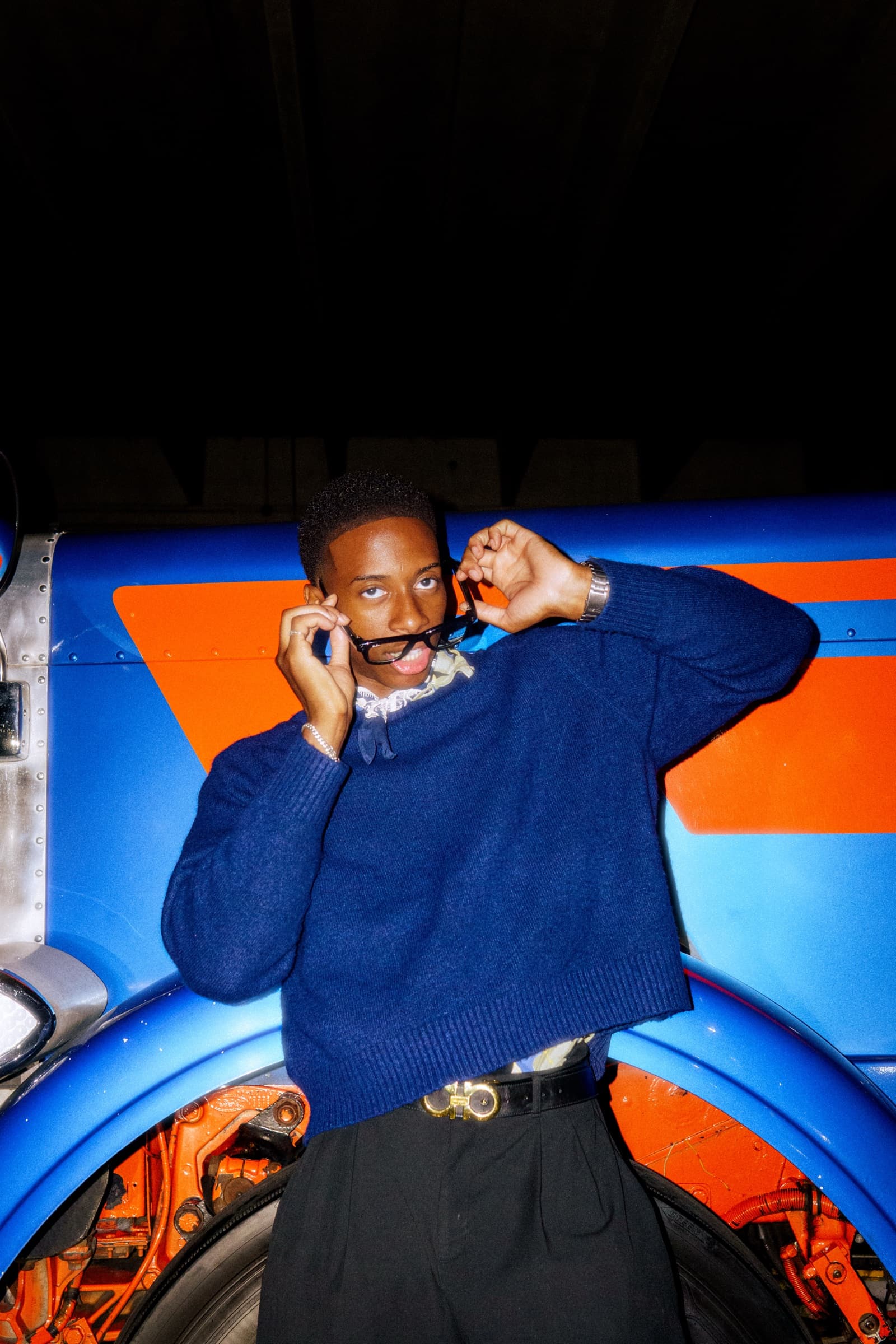
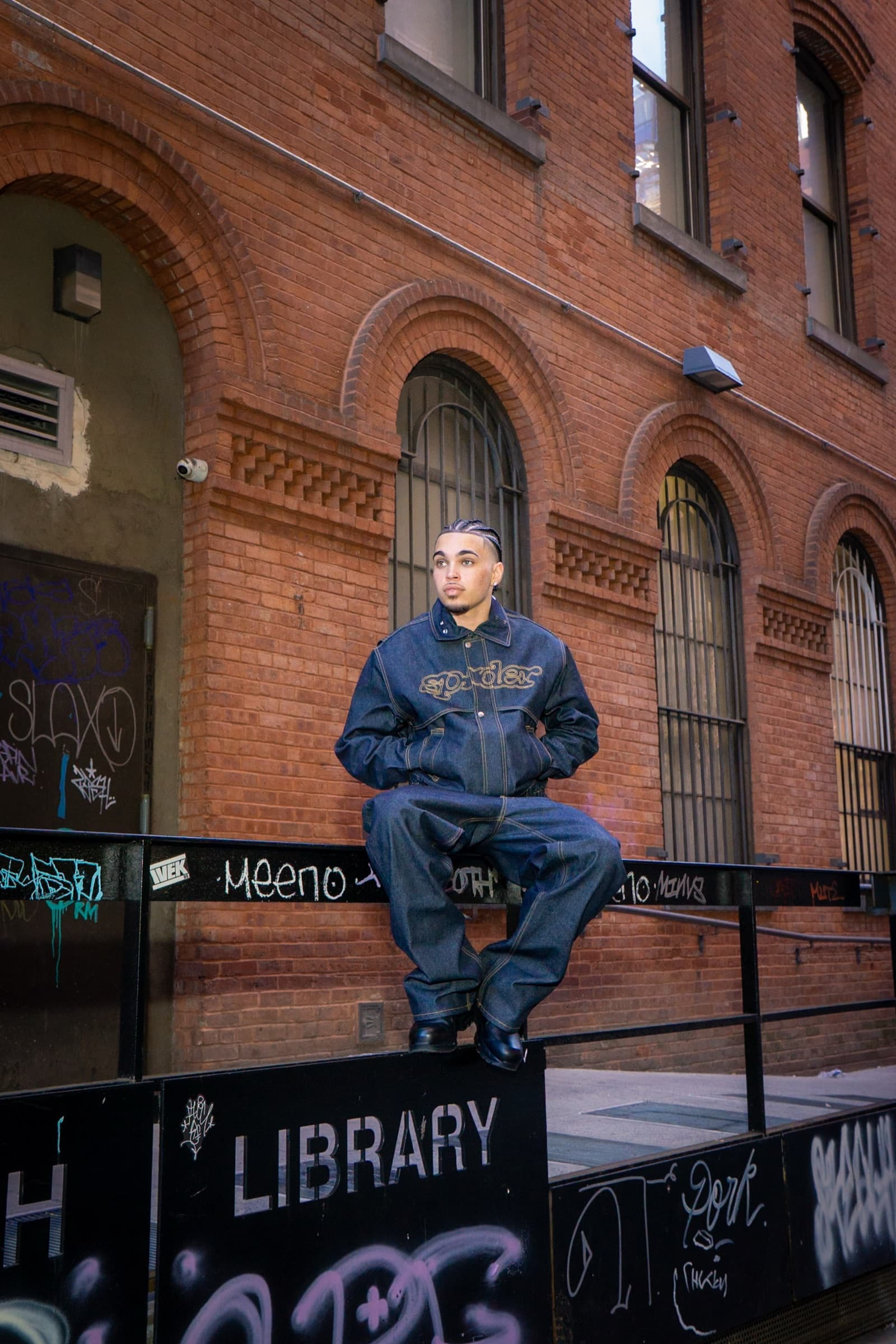
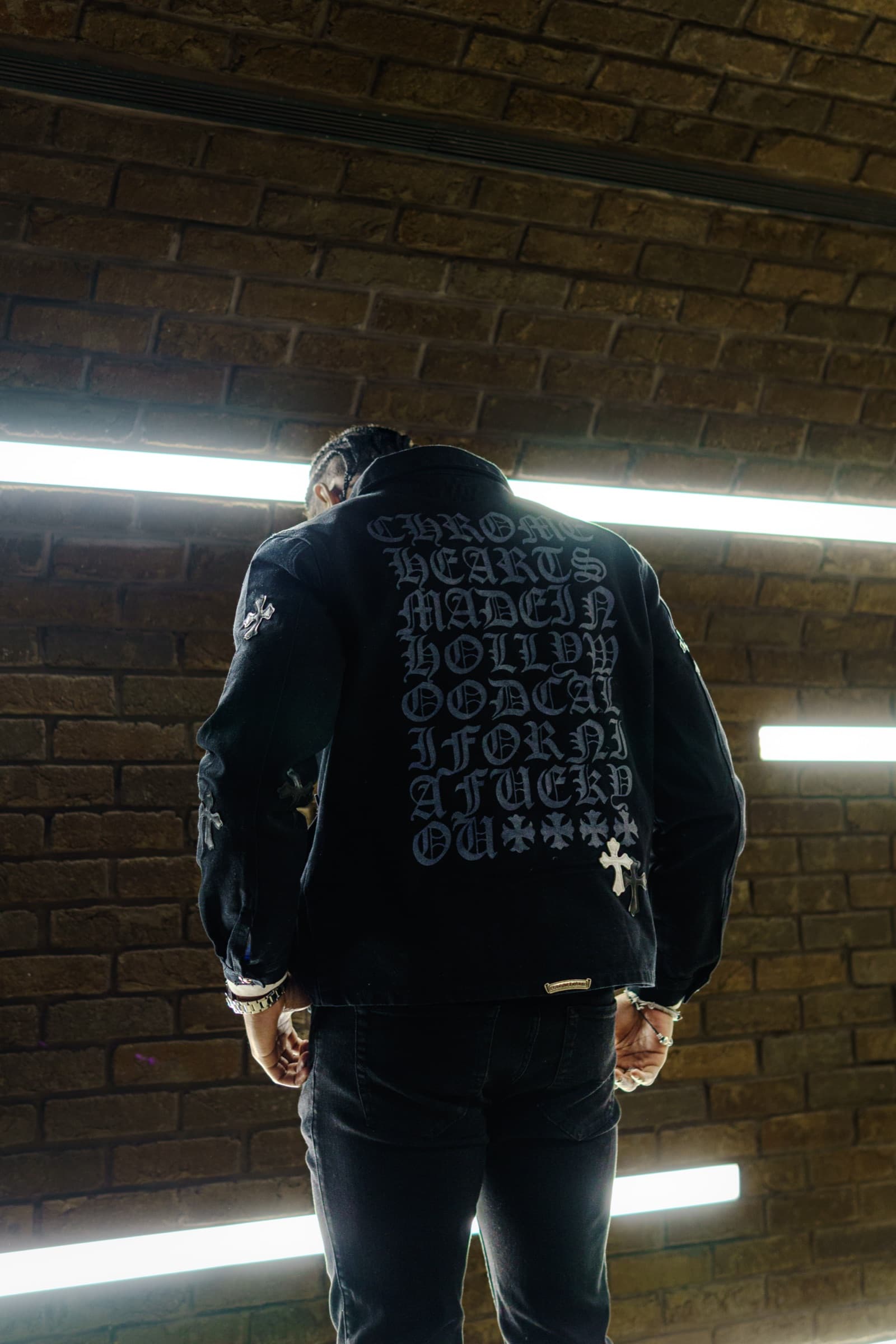
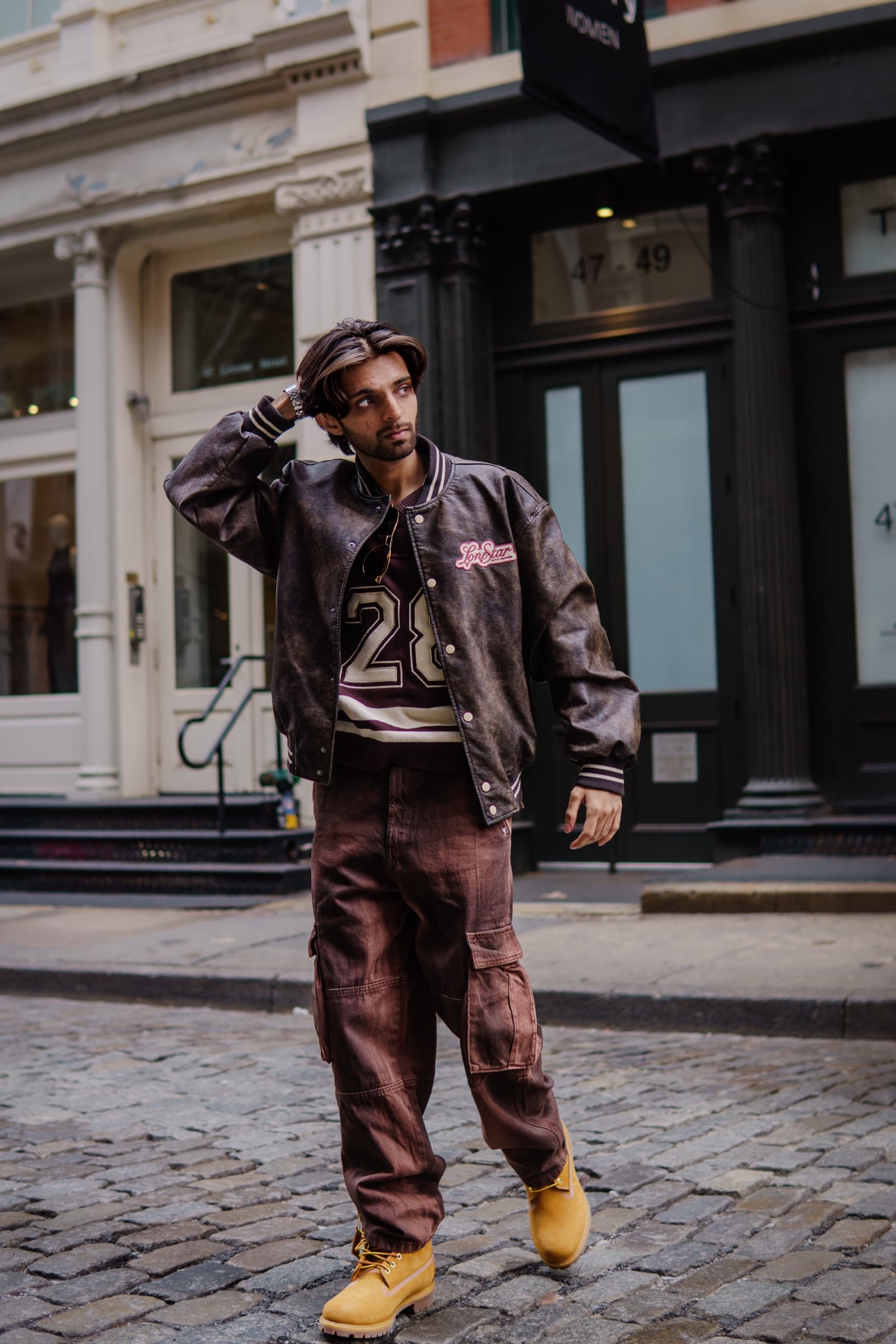
Image, indexed.
Portrait, brand, and editorial work. Commissions and personal projects.
Elsewhere.
Where the rest of the work lives. Code on GitHub, roles on LinkedIn, images on Instagram.
I make things clear.
I direct the build.
I still make images.
I work in the gap between a problem and the people fixing it. I figure out what's actually needed, write it down plainly, direct AI agents to build it, and test it until it holds.
My best work happens inside someone else's operation: a small team, a real problem, and me doing the thinking so they can keep running the business.
I still shoot portraits and brand work. Same habit, different medium: be clear about what you're making, and don't ship it until it's right.
Start with
a clear brief.
Roles, shoots, or questions about how something was made. Pick what it's about and the form will tell you what's useful to include.